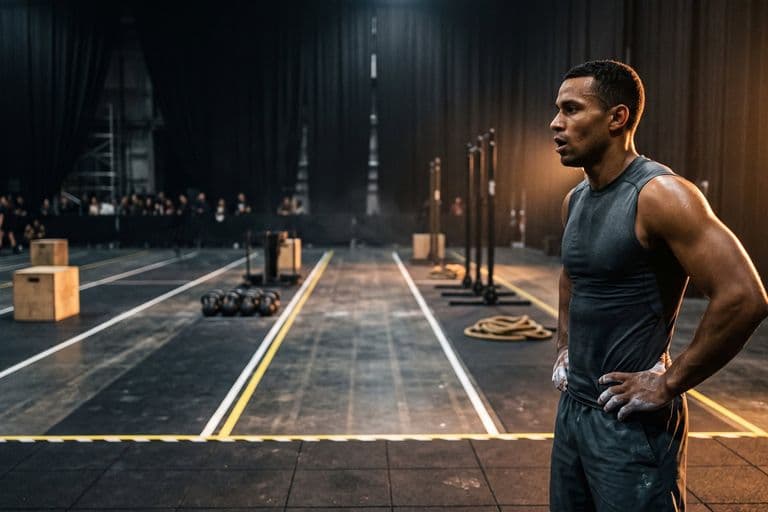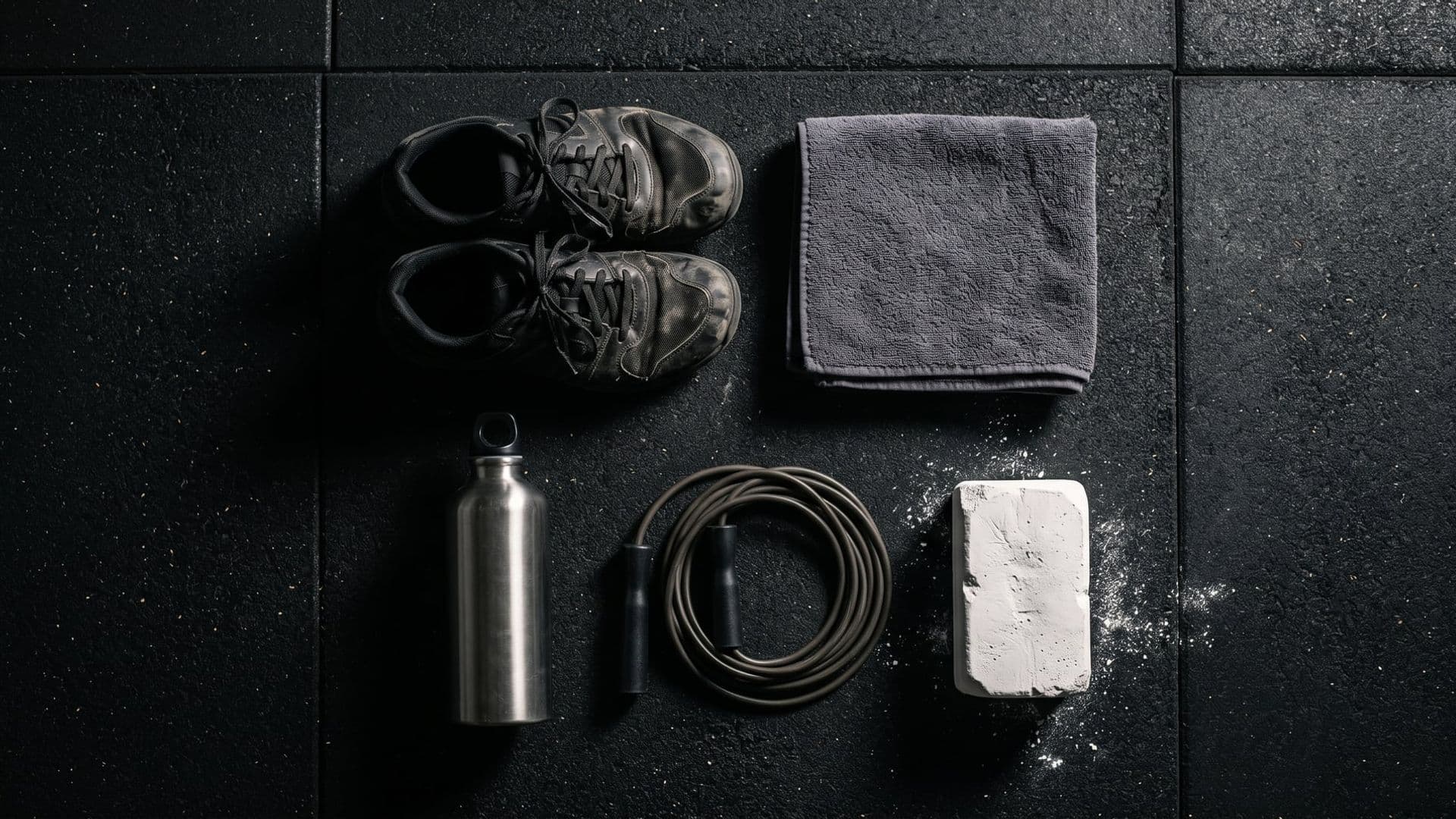
These events are longer days than the race itself. Here is a short list that covers most formats.
Shoes
The only genuinely difficult decision. You want something with enough grip for a sled and a firm enough sole to push through, that you can still run several kilometres in.
- A cushioned running shoe — good for the running, poor on the sled. The sole compresses under exactly the force you are trying to apply.
- A training shoe — good on the sled, less comfortable over the running.
- A hybrid or "race" trainer — a firm, moderately cushioned shoe is the usual compromise and the usual right answer.
Whatever you pick, race in shoes you have trained in. Race day is not the time to find out about a hotspot.
Kit
- Shorts or tights you have trained in.
- A top you can race in — check whether the event requires a number bib on the front.
- Socks that do not slip.
- A change of clothes for afterwards. This is the one people skip and regret.
- A small towel.
Food and drink
Start times move. Bring more than you think you need for before, and something with real carbohydrate and protein for afterwards. Venues are frequently a long way from anywhere that sells food.
Check the rules first
Gloves, weightlifting belts, wrist straps and knee sleeves are all permitted in some events and not in others, and rules occasionally change between seasons. Read the athlete briefing. Turning up with a belt you cannot use is not a disaster; planning your sled strategy around gloves you are not allowed to wear is closer to one.
Arrive early
Registration queues, kit checks and warm-up areas all take longer than the schedule suggests. An hour earlier than you think is about right for a first race.